Safe in the Snow: Keeping Pets Cozy Outdoors

After the long heat of summer, many of us look forward to crisp air, cozy nights, and playtime in the snow. For our pets, though, winter can bring more challenges than it does magic. With a few simple steps, you can make sure your furry family members stay safe, warm, and comfortable all season long.
Winter Cover
A pet’s coat is beautiful, but it isn’t always enough to keep them protected in freezing weather. A good rule of thumb: if you’d reach for a jacket, it’s too cold for your pet to stay outside for long without proper shelter.
- Temperature Guidelines: Extended time outdoors becomes unsafe below 40°F (4°C), especially for short-haired breeds, cats, and puppies. At 20°F (-6°C) and below, all pets should be kept inside.
- Grooming: A light trim (not a full shave) helps reduce mats and prevent painful ice balls from forming around paws.
- Paw Care: Use a damp towel to wipe paws and bellies after outdoor play; this removes ice, salt, and chemicals that can be harmful if licked.
- Protection: Ice and snow can crack or injure paw pads. Booties provide the best protection, though not every pup takes to them right away. Start with baby socks to get them used to the feeling, then graduate to boots or a safe DIY paw wax.
Antifreeze Scare
One of the biggest winter hazards is antifreeze (ethylene glycol). Its sweet taste makes it appealing to pets, but even a small amount is deadly. Simply walking through a puddle and licking a paw can be enough to cause serious illness.
Symptoms may include:
- Stumbling or appearing “drunk” (ataxia)
- Excessive thirst and urination
- Vomiting or panting
- Lethargy
Without treatment, antifreeze poisoning can cause kidney failure and death within 8–12 hours. If you suspect exposure, get veterinary help immediately.

Recognize These!
Hypothermia
When a pet’s body temperature drops too low, their systems begin to shut down.
- Early signs: violent shivering, slow or shallow breathing.
- Mild cases: bring them inside, wrap in warm (not hot) blankets from the dryer, and let them warm gradually.
- Severe cases: require urgent veterinary care, at-home treatments are not enough.
Frostbite
Prolonged exposure to cold can damage tissue, especially on ears, noses, tails, feet, and even the scrotum.
- Affected areas may look pale or grey, and feel hard and cold.
- As circulation returns, tissue becomes red and painful. Severe frostbite can turn black and eventually slough off.
- Do not rub or massage the area. Only begin warming if you can stay with your pet and keep them safely warm. Always contact your vet right away.
Diet Balancing Game
Cold weather burns energy. If your pet is active outdoors, offer a little extra food to fuel them, along with plenty of fresh water. On the other hand, if they’re spending more time curled up indoors, you may need to adjust meals to avoid extra winter weight. Adequate hydration also helps keep their skin healthy and less prone to dryness or itchiness.
Make Some Noise!
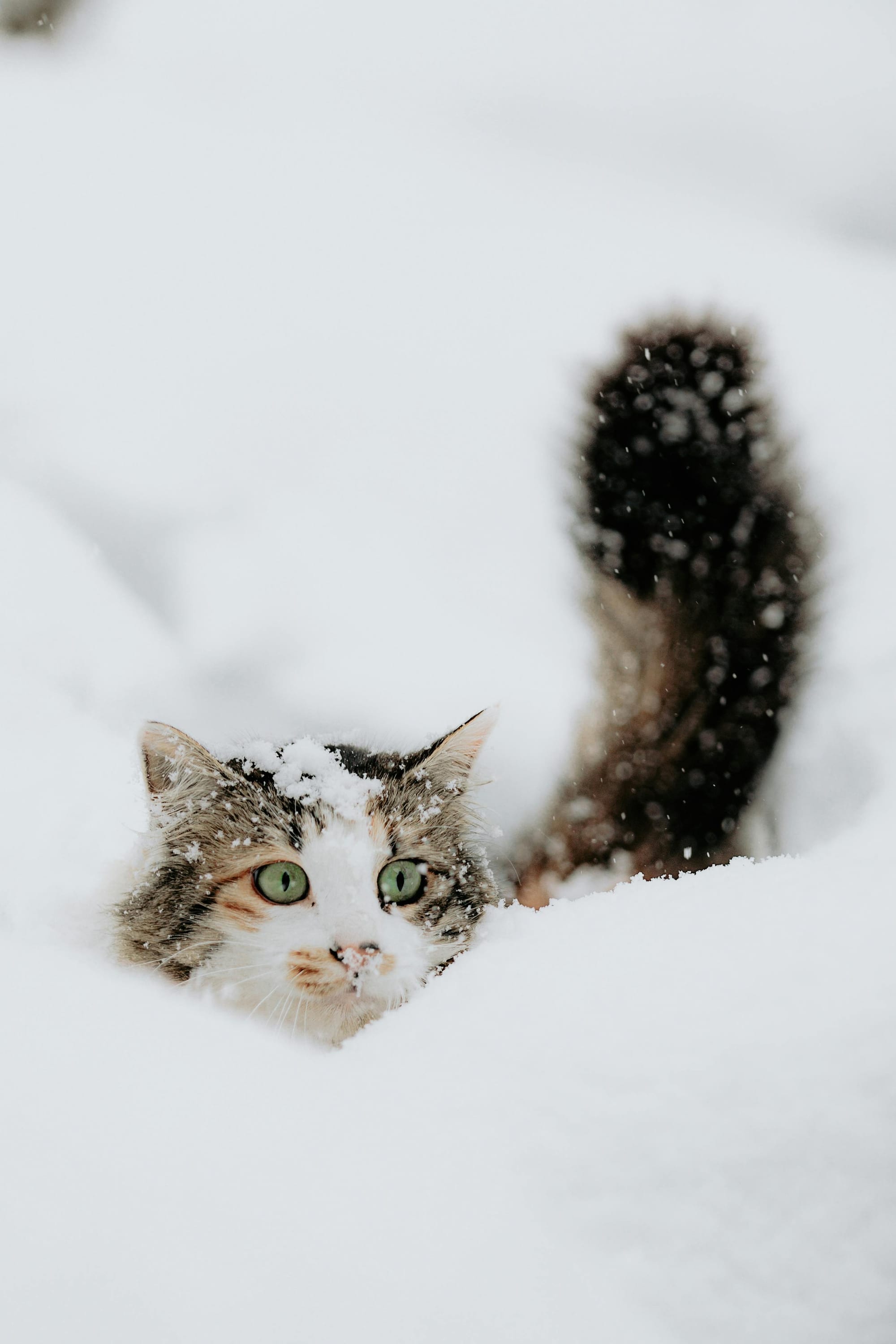
Cats (and sometimes wildlife) love to seek warmth under car hoods. Before starting your car, give it a few firm taps to scare off any hidden nappers.
And remember: winter cars are no safer than summer ones. Just as cars can become ovens in hot weather, they turn into refrigerators in the cold. Don’t leave pets inside while you run errands.
Winter Can Be Cozy for Everyone
With a little extra awareness, from paw care to antifreeze vigilance, winter can be just as cozy and joyful for pets as it is for us. When they’re safe and warm, we can all enjoy the sparkle of the season together.



Comments ()